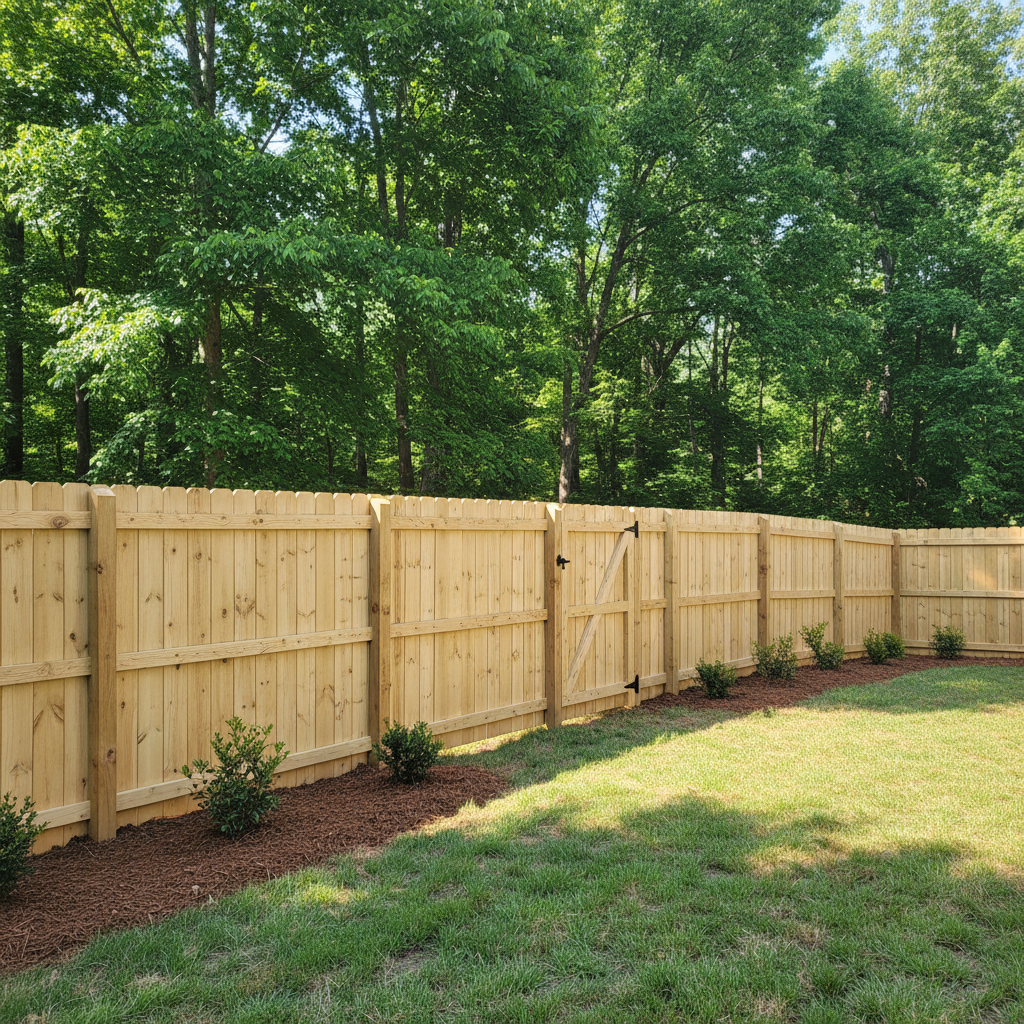
So, you've put in a privacy fence. Smart move, that. It really does give you some peace of mind, keeps the kids and pets safe, and definitely spruces up your home's curb appeal. But here's the thing: just like anything else around the house, it's not a "set it and forget it" kind of deal, especially not here in Lenoir. Our climate, with those humid summers and the occasional ice storm, can be pretty rough on wood—and even vinyl, if you're not paying attention. You want that fence to last, right? Of course you do! So let's chat about how to make sure it sticks around for a good long while.
Making Your Fence Last Longer
The biggest thing you can do for a wooden privacy fence? Protect it from the weather. And that means staining or sealing it. Yeah, I know, it's a chore, but honestly, it's probably the most important maintenance step you can take. A good quality stain or sealant works like sunscreen and a raincoat all in one for your wood. It stops moisture from soaking in, which is what causes rot, warping, and mildew. Plus, it guards against UV rays, which can fade and break down wood fibers over time. Here in Lenoir, with our strong summer sun and wet winters, you'll want to reapply that every 2-3 years. Maybe even sooner if your fence gets a lot of direct sun or sits in a particularly damp spot, like near a creek bed in some of the older neighborhoods around town.
Vinyl fences, on the other hand, naturally last longer, but you still gotta keep them clean. Dirt, mold, and mildew can build up, especially on the north-facing sides that don't get much sun. A simple wash can really work wonders.
Easy Maintenance You Can Handle Yourself
Okay, so what should you actually be doing regularly? It's pretty straightforward, honestly:
- Check it often: Walk your fence line at least once a season. Look for loose pickets, wobbly posts, or anything that just seems off. Catching a small problem early can save you a huge headache later.
- Clean it up: For wood, grab a soft brush and a mild cleaning solution (like diluted bleach or a fence cleaner) to scrub off any mildew or algae. Power washing can be effective, but be super careful! Too much pressure can damage wood fibers or even force water into vinyl seams. If you're not experienced, keep the pressure low and the nozzle moving. For vinyl, a quick hose down and a scrub brush with soapy water usually does the trick.
- Trim back foliage: Keep vines, bushes, and tree branches away from the fence. They hold moisture against the material, which can lead to rot in wood or staining on vinyl. Oh, and roots can sometimes push up against fence posts, causing instability.
- Check hardware: Make sure gate hinges are tight and lubricated. Latches should open and close smoothly. A sagging gate is a common issue, but it's easy to fix if you catch it early.
- Clear the base: Don't let leaves, mulch, or dirt pile up against the bottom of your fence. This creates a damp environment where pests love to hang out and rot can start, especially right where the fence meets the ground.
Signs of Trouble to Watch For
How do you know when something's *really* wrong? Keep an eye out for these:
- Rotting wood: This is a big one for wooden fences. Look for soft spots, crumbling wood, or discoloration, especially near the ground or where wood touches wood. If you can push a screwdriver into the wood easily, you've got rot.
- Wobbly posts: If a post moves when you push on it, its footing might be compromised. This could be due to soil erosion, frost heave (which we definitely get here in winter), or just plain old age.
- Cracked or broken pickets/panels: These can happen from impact, severe weather, or just general wear and tear. They compromise privacy and the fence's overall strength.
- Excessive leaning or sagging: If your fence isn't standing straight, something's definitely off. It could be a foundation issue or structural damage.
- Severe discoloration or mildew that just won't clean off: This might mean deeper problems or that your sealant has completely failed.
- Pest damage: Termites or carpenter ants love damp, decaying wood. Look for sawdust, tunnels, or the actual insects themselves.
When to Call a Pro
Look, some jobs are just bigger than a weekend DIY project, or they need special tools and know-how. That's where Western Fencing comes in. You should definitely give us a call if:
- You have major structural damage: A leaning fence, multiple wobbly posts, or significant sections of rot mean you probably need professional repair or even replacement of sections. Trying to patch these yourself can be a temporary fix that doesn't get to the root of the problem.
- You're dealing with extensive rot or a pest infestation: If rot has spread or you suspect termites, it's best to get an expert opinion. They can assess the damage and recommend the most effective treatment or repair.
- Your gate isn't working right even after basic adjustments: Sometimes a gate just needs new hinges or a realignment that's more involved than tightening a few screws.
- You're not comfortable with power tools or working at height: Some repairs, especially on taller fences, can be tricky and potentially dangerous if you're not experienced.
- You just don't have the time or desire: Your time is valuable, right? If you'd rather spend your weekend enjoying Lenoir than wrestling with fence repairs, we're happy to take care of it for you.
Taking care of your privacy fence isn't rocket science, but it does need a little attention. A well-maintained fence will stand strong for years, giving you privacy and peace of mind. Ignoring it, especially with our Tennessee weather, is just asking for trouble down the road.